July 23, 2026
Maintaining a comfortable indoor temperature is essential for a relaxing home environment, especially when summer temperatures start to rise. Your air conditioner functions as a heavy-duty mechanical system, working constantly behind the scenes to keep your living spaces cool. Because these systems are complex, natural wear and tear will occur over years of regular use.
Ignoring minor changes in how your system performs can allow small mechanical glitches to expand into complete structural failures. Learning the common warning signs of system decline helps you know exactly when it is time to call for professional AC repair. Catching issues early protects your household from sudden summer breakdowns and keeps your monthly operational costs manageable.
Assessing Decreases in Cooling Performance
Discovering that one room in your home feels like an icebox while another remains uncomfortably warm is a clear sign of system trouble. This variation often points to separating seams in your ductwork, which allow cooled air to escape before it reaches the furthest vents. A failing thermostat can also cause these frustrating fluctuations by sending erratic signals to your equipment. Having a professional check these imbalances helps pinpoint whether you need targeted duct repairs or a new thermostat to restore uniform comfort across your property.
Facing Prolonged Cooling Times
When your air conditioner has to run for hours just to drop the indoor temperature a few degrees, the machinery is under intense operational strain. This delay often stems from a slow leak in your refrigerant lines, which reduces the system's ability to absorb heat effectively. A heavily clogged air filter can also choke off airflow, forcing the compressor to run extended cycles to meet your comfort demands. Booking a prompt evaluation resolves these underlying restrictions before they cause total motor burnout.
Dealing With Warm Vent Air
Experiencing warm air blowing directly out of your supply vents while your thermostat is set to cool indicates a serious internal malfunction. This failure can be caused by an electrical glitch that mixes up heating and cooling commands, or a compressor motor that has stopped pumping refrigerant entirely. Running a system in this condition wastes massive amounts of electricity without delivering any relief.
According to HomeGuide, depending on repair or replacement details, AC repairs can take between one and eight hours. Addressing this issue quickly prevents secondary damage from spreading to neighboring components.
Experiencing Reduced Airflow Output
Weak or restricted airflow coming from your home registers prevents your living spaces from cooling down efficiently. This issue is frequently caused by a thick accumulation of household dust and pet dander blocking your air filter or internal blower wheel. Mechanical problems, such as a fraying fan belt or a failing blower motor, can also cause your air circulation to drop significantly. Having a technician clean these pathways and inspect your fan assembly prevents severe component strain.
Managing Frequent Short Cycles
An air conditioner that constantly turns on and off every few minutes is experiencing a destructive pattern known as short-cycling. This problem is often triggered by an improperly placed thermostat sensor or a failing start capacitor inside your outdoor cabinet. This constant stopping and starting draws a massive amount of electrical current, which drives up your utility bills and accelerates component wear. Scheduling an AC repair visit allows an expert to stabilize your runtime cycles and protect your machinery from premature failure.
Identifying Unusual System Noises
Loud banging or clanking sounds coming from your indoor air handler or outdoor cabinet usually point to a loose mechanical part. A fan blade may have bent out of shape, or a piece of connecting hardware might have disconnected inside the blower assembly. If you ignore these metallic sounds, the loose component can break completely off and cause extensive internal damage to your system shell. Turning the unit off immediately and calling for an inspection keeps your repair costs minimal.
Noticing Squealing or Screeching
High-pitched squealing or screeching noises during a cooling cycle typically indicate a problem with your belt or motor bearings. In older systems, the rubber blower belt can dry out and slip against the metal pulleys over time. In newer units, these sharp sounds often mean the internal bearings inside your fan motor have run dry or sustained physical damage. Having a professional lubricate or replace these moving parts restores quiet, peaceful operation to your home.
Detecting Hissing or Bubbling
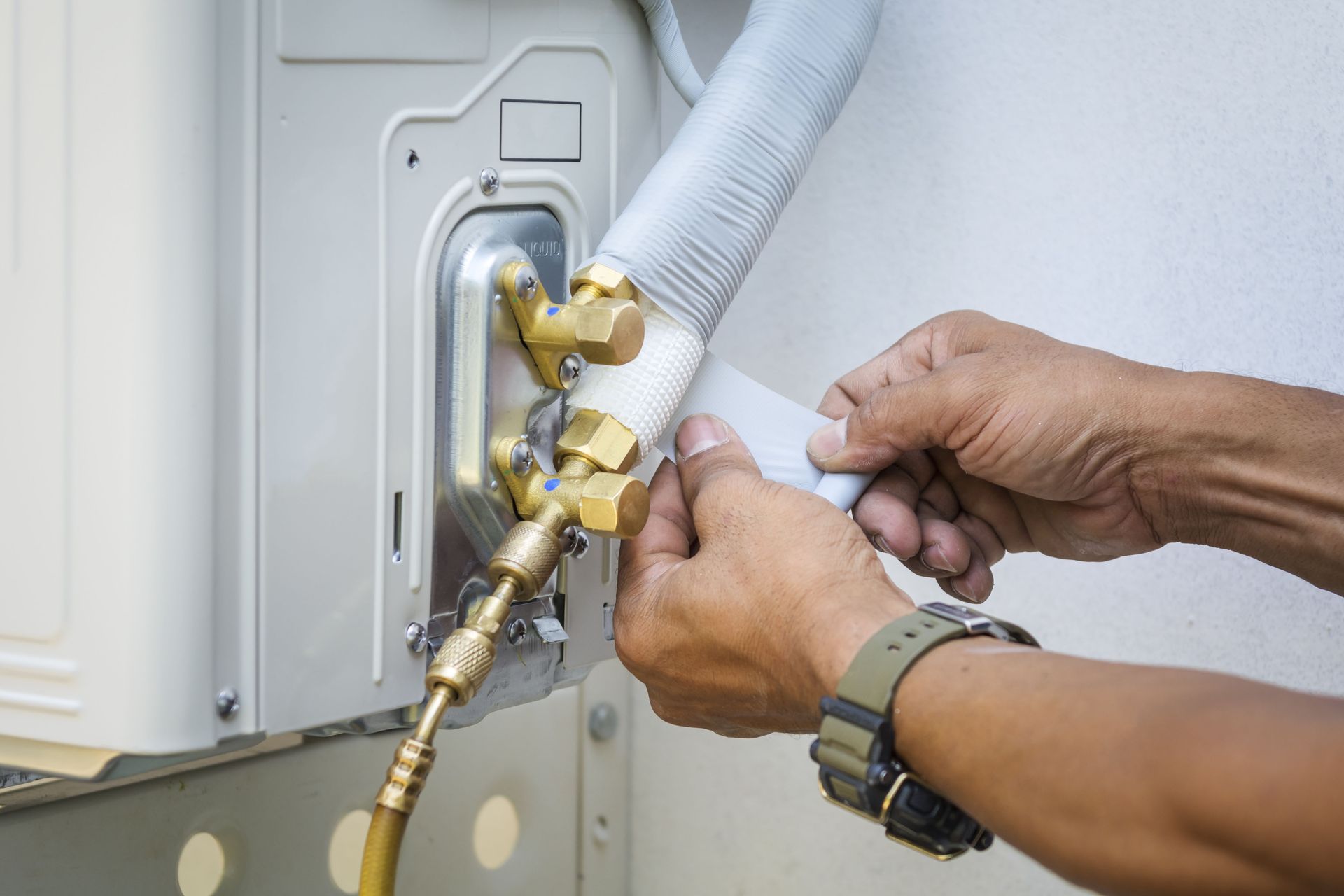
A persistent hissing or bubbling sound from your air conditioner usually points to a breach in your pressurized lines. Hissing is a classic sign of gaseous refrigerant escaping through a tiny puncture in your copper evaporator coils. Bubbling noises, on the other hand, indicate that outdoor air has breached the system and mixed with the liquid chemical fluid. Because handling these specialized chemicals requires strict certification, you must leave this specific AC repair task to qualified professionals.
Discovering Persistent Rattling
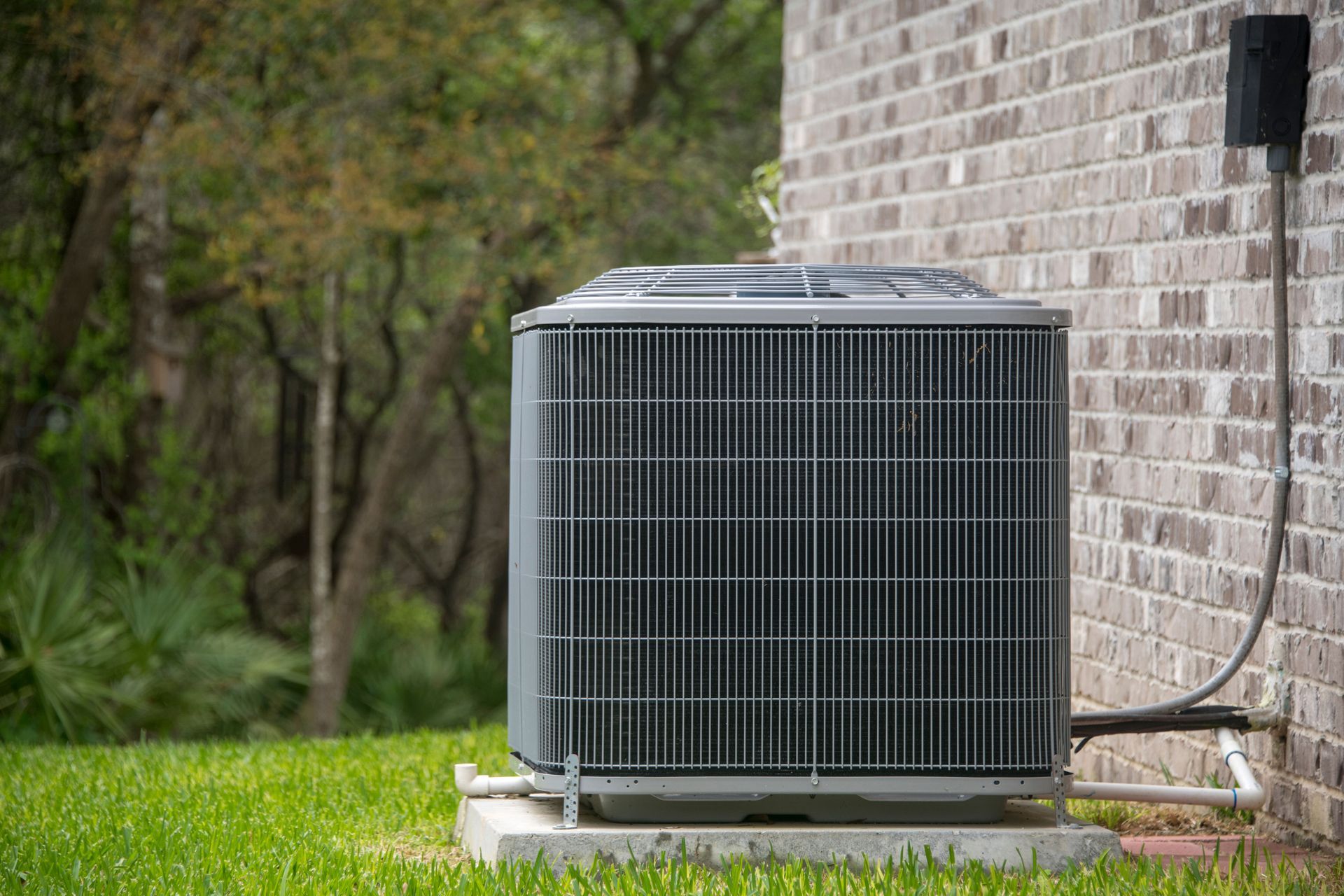
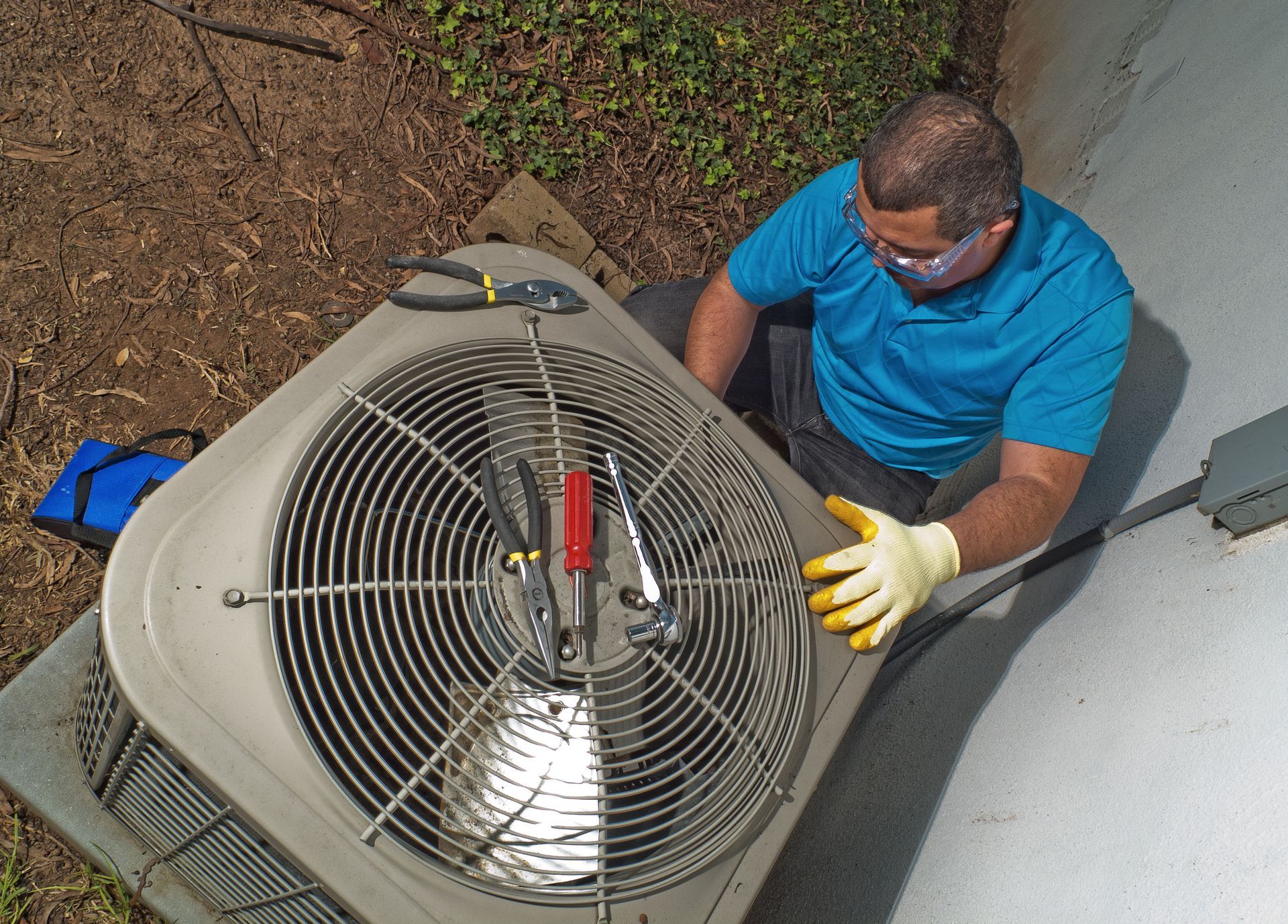
Unusual rattling sounds can occur when loose debris, like twigs or dry leaves, falls through the top grille of your outdoor condenser unit. Rattling can also develop if the screws holding your metal cabinet panels together back out over time due to normal equipment vibrations. Tightening these external fasteners or clearing away trapped debris from the fan path is a straightforward fix that stops annoying vibrations before they disrupt your neighborhood.
Checking Continuous Humming Noises
A steady, low humming sound that persists even when your air conditioner fan is not spinning points toward a hidden electrical problem. This noise often signals that an internal electrical relay is stuck, a wire connection has loosened, or a motor capacitor is starting to fail. Because electrical faults present a hidden fire hazard on your property, having an expert evaluate your control box protects your family and keeps your system working safely.
Tracking Sudden Energy Expenses
A sudden, unexplained jump in your monthly electricity bills when your household habits have not changed is a strong indicator of equipment inefficiency. When internal parts like a compressor or fan motor begin to decline, they must draw far more electrical current from your panel to do their job. Scheduling a professional AC repair check allows a technician to measure the electrical draw of your individual components, uncovering hidden inefficiencies before they cost you hundreds of dollars in extra utility bills.
Reviewing Declining Efficiency Ratings
As cooling machinery ages, its original operational efficiency rating can begin to drop due to internal component wear. If your unit features an older, low efficiency rating, keeping up with regular maintenance is vital for managing your energy costs. Replacing worn components like valves or contactors helps your existing machinery match its intended performance thresholds, allowing you to stay comfortable without breaking your budget.
Troubleshooting an Overworked Machine
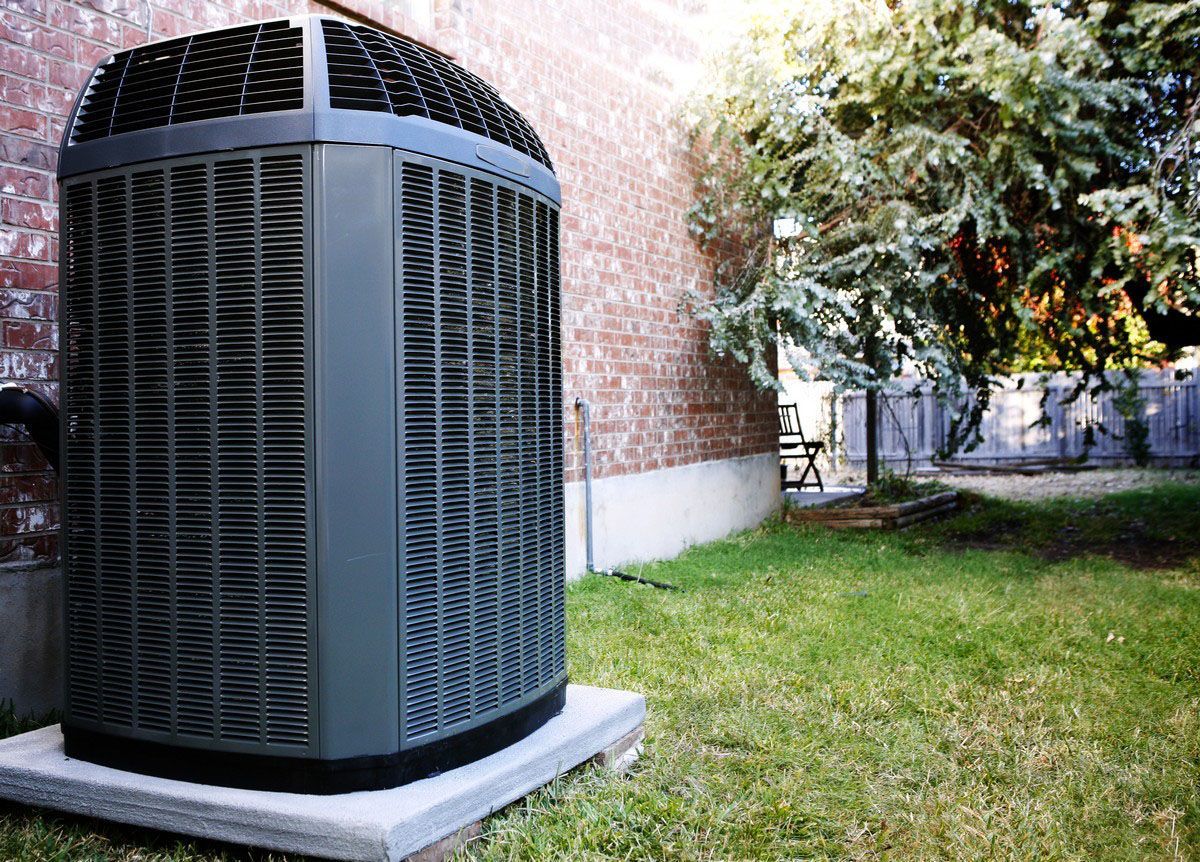
An air conditioner that runs continuously without a break is simply working too hard to keep up with your thermostat settings. This constant operation can be caused by a heavy buildup of dirt on your outdoor condenser coils, which seals in heat and prevents the system from cooling effectively. Having a technician wash away these blockages allows your system to complete its cycles quickly, reducing operational strain.
Taking proactive steps to care for your home air conditioner ensures your living spaces remain comfortable through every summer heatwave. From resolving restricted airflow to sealing up loose electrical connections, timely mechanical attention keeps minor issues from expanding into costly structural emergencies.
When your cooling unit begins to exhibit warning signs like warm vent air or unusual squealing noises, partnering with experienced local technicians eliminates guesswork from home care. Booking an expert AC repair guarantees that your system adjustments are completed safely and in accordance with local safety standards. If you want to optimize your indoor comfort and ensure your system is prepared for extreme summer weather, contact Diesel's Heating & Cooling today to schedule an evaluation.