August 25, 2026
Deciding whether to repair or replace your air conditioner can be challenging, especially when you are dealing with unexpected cooling problems or rising energy bills. The right choice depends on several factors, including the unit’s age, repair history, efficiency, and the cost of a potential fix compared with a new AC installation. A properly maintained air conditioner can last 12 to 15 years, according to HomeGuide, but age alone does not always determine whether replacement is necessary. Evaluating your system’s condition and long-term operating costs can help you choose an option that supports reliable comfort while making the most of your investment.
Identify Signs Your AC Needs Repair
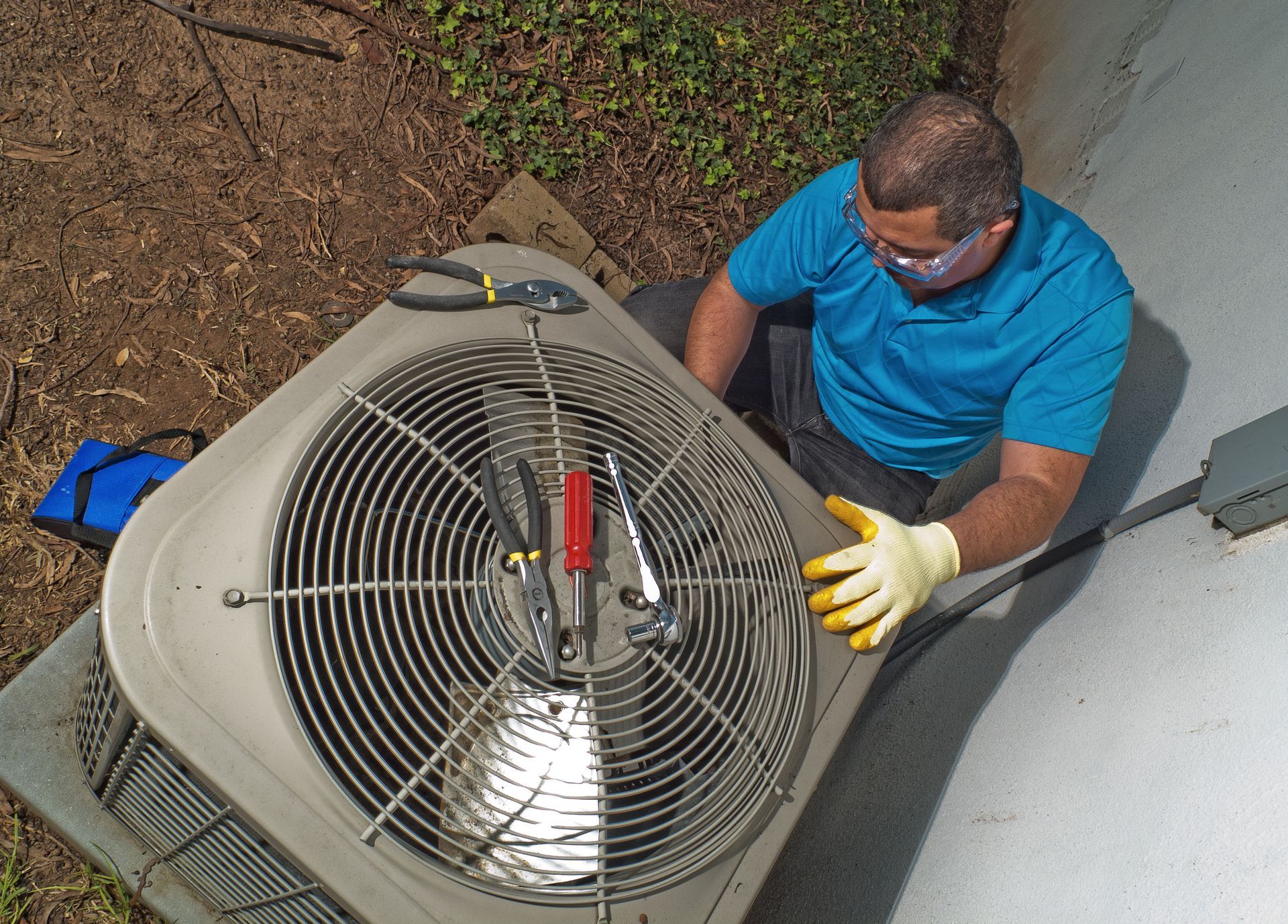
Several indicators can suggest your air conditioner requires repairs rather than a full replacement. Frequent cycling on and off may signal an issue with the compressor or thermostat, while uneven cooling could point to blockages or leaks. Unusual sounds and odors, such as grinding, squealing, or mildew, are clear signs that a professional inspection is necessary. Addressing these issues promptly can prevent more extensive damage and extend the life of the unit. Scheduling an inspection at the first sign of trouble can help identify smaller problems before they become more expensive repairs.
Another common indicator is an increase in energy bills without a corresponding rise in usage, hinting at decreased efficiency. This could be caused by dirty coils, clogged filters, or an outdated system that struggles to meet the cooling demands. In some cases, a simple tune-up can restore the unit's performance, allowing you to keep your existing system. An experienced technician can assess the situation, recommend fixes, and help maintain your air conditioner’s efficiency and effectiveness. Professional maintenance can also help determine whether the higher energy costs are caused by a repairable issue or an aging system.
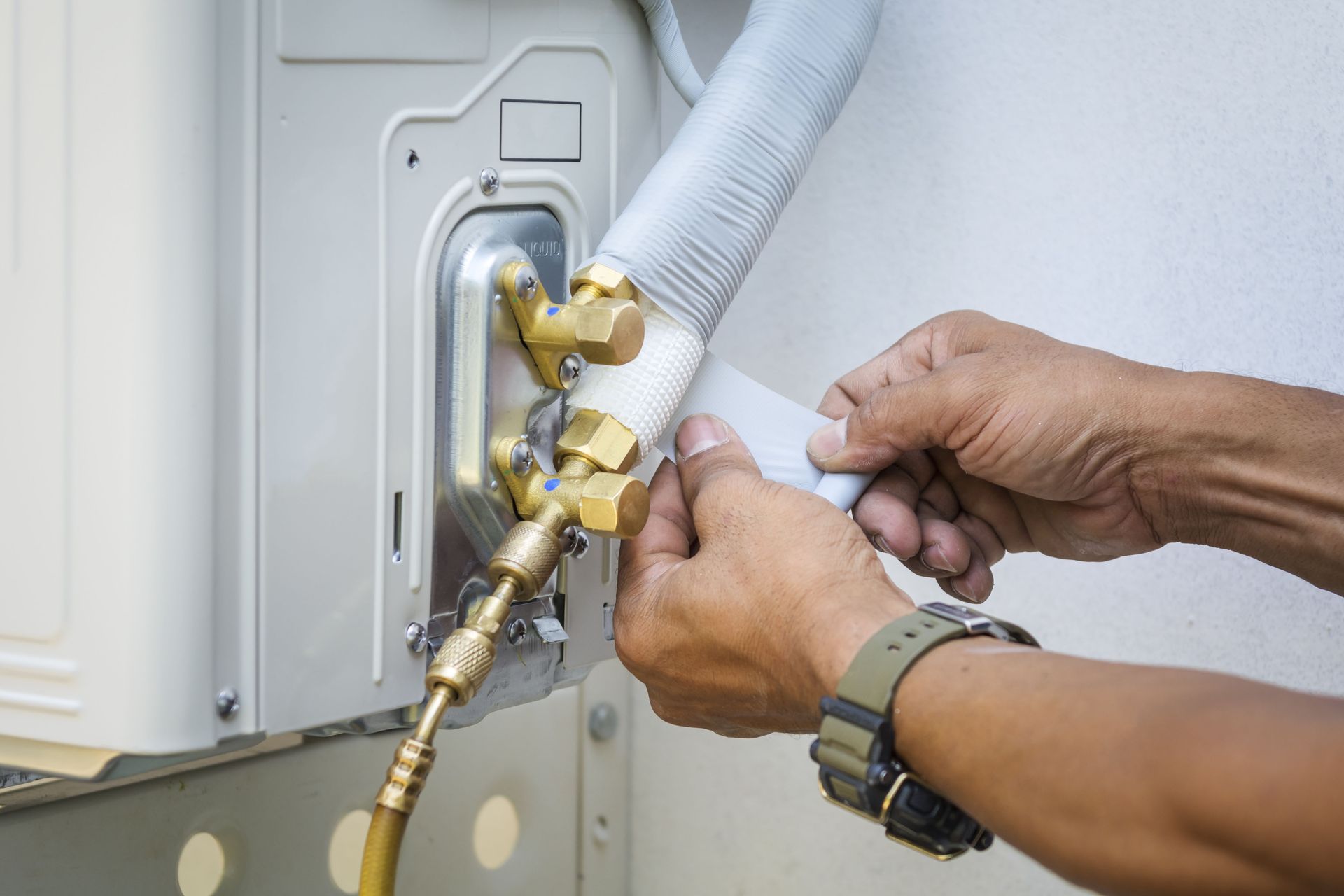
Routine maintenance such as cleaning coils, replacing filters, and checking refrigerant levels can prevent many common problems. Keeping a maintenance schedule is one of the simplest ways to ward off costly repairs and ensure optimal function. For units nearing the 12 to 15-year mark, maintenance might not suffice, but it can still be worth investigating professional repair options. Identifying and addressing minor issues early on is key to preserving the performance and lifespan of your air conditioning system. Regular service also gives technicians an opportunity to spot developing problems and recommend solutions before a major breakdown occurs.
Recognize When Replacement Makes Sense
There are specific signs that suggest replacing your AC unit might be more economical than repair efforts. If your air conditioner is older and requires frequent repairs, investing in a new unit may be more cost-effective. As the system ages, the efficiency diminishes, leading to increased utility bills and a larger ecological footprint. Newer models offer enhanced efficiency, reduced environmental impact, and advanced features not available in older models. Replacing an aging system can also provide greater reliability and reduce the inconvenience of repeated service calls.
Excessive repair costs are another clear indicator that replacement is a smart choice. When repair estimates start climbing towards the cost of a new AC installation, it's usually a signal that replacement should be considered. At this juncture, investing in an upgraded system can provide improved efficiency, reliability, and warranties, which align with future financial and comfort goals. Additionally, various state and federal incentives often support homeowners in upgrading to more energy-efficient systems, making the decision favorable. Comparing the estimated repair costs with the expected operating costs of a new system can make this decision easier.
Considering the environmental impact, older units often use outdated refrigerants like R-22, which are harmful to the environment and are being phased out. Upgrading to a new model with environmentally friendly refrigerants can contribute to sustainability efforts while optimizing home comfort. The advancement in AC installation technology means modern systems offer features like smart thermostats, dehumidifiers, and improved air purification, greatly enhancing indoor air quality. These upgrades can make a new system a practical choice for homeowners seeking both improved comfort and greater efficiency.
Consider Your Air Conditioner’s Age
The age of your air conditioner is a critical factor in the repair vs. replacement decision. Units within this age range are often less efficient and more susceptible to breakdowns, costing you more in service calls and utility expenses. Proper assessment of your unit's age, alongside its current operational status, can inform your decision-making process. Reviewing the system’s maintenance and repair history can provide additional context when determining whether it is still worth keeping.
For air conditioners approaching their expected lifecycle, technology advances in newer models can offer significant benefits that go beyond simple cooling efficiency. Enhanced energy ratings, improved environmental controls, and advanced features in modern units can deliver immediate and long-term savings. When evaluating your system’s age, consider the scope and cost of past repairs and whether the system continues to deliver sufficient performance. A replacement might seem costly upfront but can lead to fewer repairs and lower energy bills over the years. It can also provide more consistent cooling throughout your home and improve overall system reliability.
Conducting a lifecycle cost analysis helps provide a clear picture of financial implications over time. This includes tallying up past and potential repairs, current inefficiencies and their associated costs, and the benefits that a new unit would deliver. As unit technology evolves, the gap between repair and replace decisions can often close quickly with an upgraded AC installation. Consider auditing current operational costs and efficiencies against potential savings with newer systems equipped with the latest technologies. Looking at these expenses over several years can help you evaluate the true cost of keeping an older unit.
Compare Repair and Replacement Costs
Cost is frequently the deciding factor when considering whether to repair or replace an AC unit. Repair expenses can range from minor fixes to substantial overhauls, which might only offer short-term relief. In contrast, while replacement involves a larger upfront investment, the benefits it offers often yield financial savings and enhanced performance over time. Assessing these costs critically involves calculating both immediate expenses and long-term repair expectations. Obtaining a professional estimate can help you understand the full scope of the repair before committing to the expense.
When comparing costs, it's essential to consider the existing warranty and any potential savings from a more efficient system. Newer models often require less energy to operate and have lower maintenance needs due to improved technology. The potential savings on utility bills can often offset the higher initial expense, making replacement a financially sound option in the medium to long term. It is also worth considering potential government rebates or incentives available for energy-efficient system upgrades, which can further reduce net replacement costs.
Aside from immediate monetary concerns, evaluating long-term satisfaction and performance benefits is key. Many homeowners find that the enhanced comfort, better air quality, and improved reliability of newer systems substantially contribute to the overall value. Furthermore, reduced repair inconveniences and peace of mind associated with new AC installations should also factor into the decision. With proper analysis, homeowners can approach this decision with confidence, knowing that their choice aligns with both fiscal and comfort goals.
Knowing when to repair or replace your air conditioner can help you avoid unnecessary expenses while maintaining reliable home comfort. Consider the unit’s age, repair costs, energy efficiency, and overall performance before making a decision. A minor issue may be worth repairing, while an aging system with frequent breakdowns and rising operating costs may be better suited for replacement. Comparing your current system with the potential benefits of a new AC installation can help you determine which option makes the most financial and practical sense. Reach out to Diesel's Heating & Cooling to learn more about our AC installation services today.