October 26, 2026
Air conditioning units serve as foundational equipment for thermal comfort in both residential spaces and commercial properties across the nation. Over extended periods of continuous operation, these complex mechanical systems gradually experience mechanical wear, component degradation, and reduced operational performance, which directly leads to inflated monthly utility charges. Enlisting professional AC repair services on a predictable schedule effectively mitigates these compounding efficiency losses, keeping mechanical components working at peak operational capacity while helping property managers control overall power consumption. Every dollar spent on electricity to run an underperforming cooling unit represents wasted revenue that could easily be recaptured through timely professional intervention and systematic mechanical tuning. When internal components operate under constant friction or thermal strain, the electrical draw climbs steadily, converting higher utility bills into a routine burden for property owners who neglect essential mechanical upkeep.
Understanding the underlying mechanics of energy transfer allows building owners to see why ongoing mechanical upkeep yields such significant long-term financial benefits. Beyond immediate financial relief, keeping a system tuned reduces unnecessary electrical draw from the regional grid. By partnering with qualified technicians who evaluate, clean, and restore equipment, property owners can stabilize their monthly utility expenditures, enhance overall indoor comfort, and protect their long-term HVAC investments. Modern cooling assemblies feature delicate balances between airflow dynamics, electrical resistance, and fluid thermodynamics. A minor failure in any single area creates a domino effect across the entire system, causing secondary components to work far harder than designed.
Restoring Mechanical Efficiency for Lower Monthly Costs
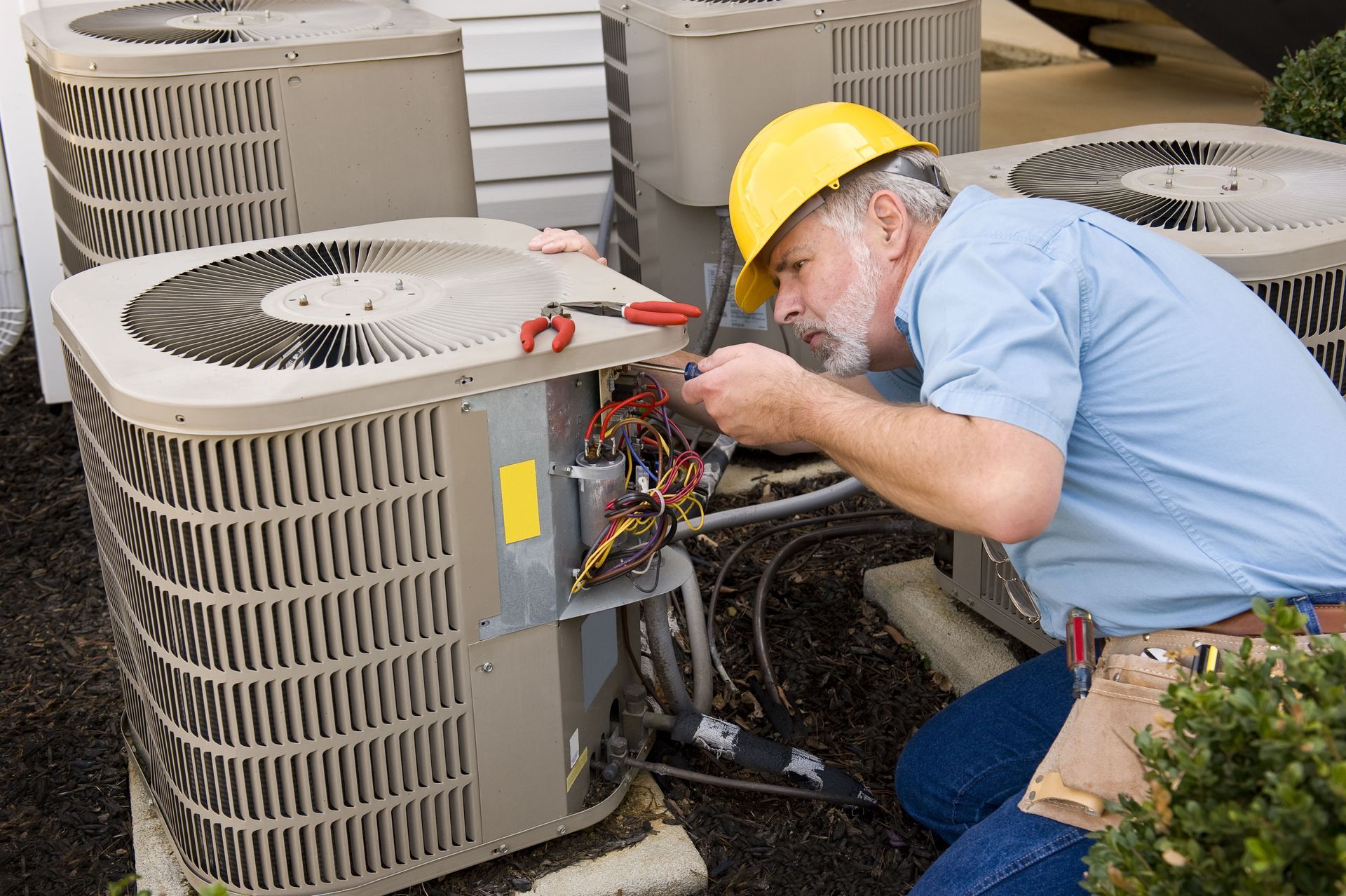
Air conditioning systems rely on the seamless interaction of several critical components, including compressors, condenser coils, evaporator coils, and electrical relays. When any single part experiences mechanical strain or electrical resistance, the entire system must consume extra electricity to achieve the desired temperature setpoint. Professional technicians diagnose subtle performance drops, replace worn electrical components, and recalibrate mechanical parts to ensure the equipment draws only the power required for optimal cooling. Mechanical friction in fan motors, loose drive belts, and worn bearings all contribute to parasitic power losses that force the unit to draw significantly higher amperage during standard operation.
Addressing minor operational flaws before they turn into major equipment failures keeps the overall system running near its original seasonal energy efficiency ratio. When equipment operates without internal resistance or mechanical drag, electrical consumption drops significantly. Routine cooling system evaluation prevents energy waste, helping property owners maintain stable utility expenses throughout the hottest months of the year while reducing long-term wear on vital components. Over the life of a typical cooling appliance, electrical expense represents the vast majority of total ownership costs, far exceeding the initial purchase price of the hardware.
Optimizing Airflow and Internal Thermal Exchange
Proper airflow is necessary for efficient thermal transfer across the evaporator and condenser coils within a cooling system. Accumulated dust, dirt, and debris on coil surfaces create an insulating barrier that hinders heat absorption and dissipation, forcing blowers and compressors to run for extended cycles. Specialized cleaning processes performed during professional service restore optimal thermal transfer, allowing the unit to complete cooling cycles rapidly and efficiently. When coils are caked with foreign debris, heat transfer efficiency drops precipitously, meaning the compressor must run for much longer durations to remove the same quantity of thermal energy from the indoor air envelope.
Restoring unrestricted airflow throughout the mechanical cabinet prevents internal static pressure from rising, which directly protects the blower motor from electrical strain. Increased energy consumption means higher carbon emissions, contributing to global warming and climate change. Given that AC and electric fans use about 10% of all global electricity consumption, according to WiFiTalents, their efficiency has significant environmental implications. Reducing energy usage through maintenance not only conserves resources but also supports global sustainability efforts.
Calibrating Thermostats and Electrical Controls
Precision control systems dictate when and how long an air conditioning unit operates throughout the day and night. Outdated or miscalibrated thermostats often misread ambient room temperatures, causing equipment to run longer than necessary or engage in rapid cycling that spikes electrical demand. Experienced HVAC technicians inspect electrical connections, verify control board communication, and calibrate thermal sensors to ensure the unit responds accurately to real-time indoor climate needs. High electrical resistance across corroded terminal connections often creates unexpected voltage drops, forcing motors and compressors to draw excessive current during operational cycles.
Integrating modern, programmable control interfaces alongside expert electrical adjustments ensures that cooling output matches actual occupancy patterns. Tightening loose wiring connections and testing capacitor health prevents voltage drops that draw excessive amperage during startup. Proper calibration of all control circuits minimizes electrical spikes, stabilizes daily power draw, and extends the operational life of sensitive electronics within the equipment cabinet. Modern electronic control boards require precise voltage signals to regulate variable speed blowers and multi-stage compressors effectively.
Regulating Refrigerant Levels and System Pressure
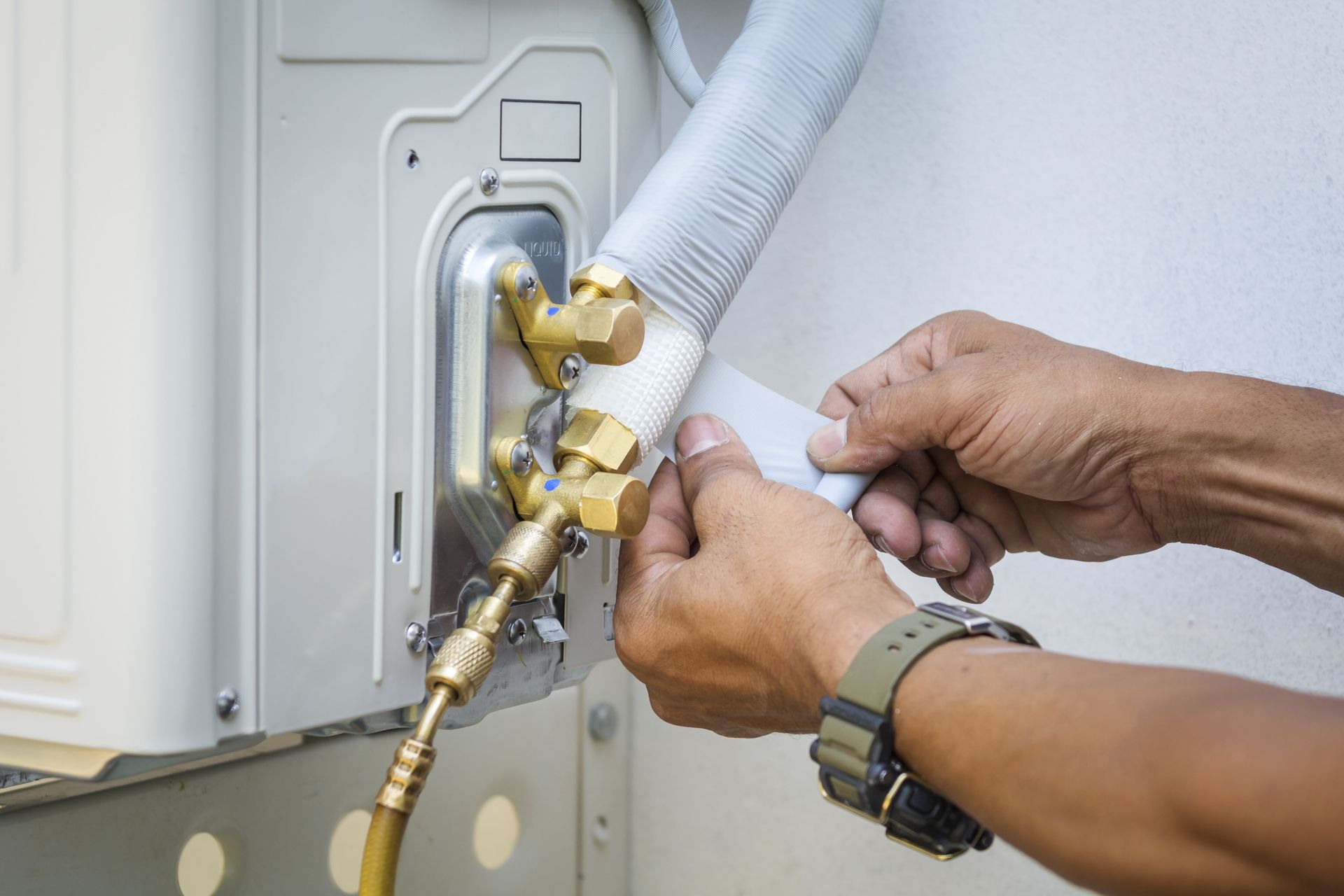
Refrigerant acts as the primary medium for absorbing heat from indoor air and discharging it outside the building envelope. When refrigerant levels drop below precise manufacturer specifications due to microscopic leaks or seal degradation, the compressor must work significantly harder to pump the remaining fluid through the circuit. Certified technicians utilize specialized pressure gauges and leak detectors during scheduled service visits to identify pressure imbalances and restore correct refrigerant charge levels. An undercharged system struggles to complete the thermodynamic phase change required for efficient heat absorption, causing the evaporator coil to freeze over and completely choke off ventilation.
Operating a system with incorrect refrigerant pressure leads to dangerous compressor overheating, ice accumulation on evaporator coils, and severe efficiency drops. Timely refrigerant charge restoration and line repair eliminate these severe mechanical burdens, allowing the closed-loop cooling system to transfer heat effectively. Maintaining optimal pressure ratios protects the heart of the system from permanent damage while keeping daily electrical usage within expected operational ranges. Proper pressure regulation also protects the internal lubricant within the refrigerant loop, ensuring that critical compressor bearings receive continuous friction-reducing oil flow.
Implementing Comprehensive Preventative Service Plans
Relying on reactive fixes after a complete system shutdown often leads to expensive emergency service fees and prolonged exposure to high energy costs. Establishing a structured schedule of preventative maintenance ensures that trained professionals inspect mechanical assemblies, lubricate moving parts, clear condensate drain lines, and evaluate duct integrity at regular intervals. Scheduled maintenance identifies hidden component wear long before it causes a sudden drop in operating efficiency. Professional AC repair service plans establish a recorded history of equipment performance, allowing technicians to track gradual shifts in operating pressures or electrical draw over time.
The long-term financial advantages of consistent system upkeep far outweigh the recurring cost of professional service visits. Preventive care preserves overall cooling capacity, lowers monthly utility expenses, and delays the need for capital-intensive equipment replacements. Property owners who prioritize consistent professional service enjoy reliable indoor climate control, predictable operating budgets, and prolonged equipment lifespans. Regular professional care protects the mechanical investment while delivering ongoing peace of mind during extreme summer heatwaves.
Maintaining an efficient cooling system requires regular inspection, expert calibration, and proactive mechanical care from qualified industry experts. Partnering with seasoned professionals ensures that minor wear items are corrected before they degrade system efficiency or trigger catastrophic equipment failures. Comprehensive
AC repair from Diesel's Heating & Cooling delivers the technical expertise needed to optimize energy usage, lower power bills, and extend the lifespan of your cooling equipment. Investing in routine professional service transforms your cooling equipment from a continuous financial drain into an optimized asset that delivers reliable indoor comfort at the lowest possible operating cost.
Taking control of your property's energy consumption starts with scheduling a comprehensive professional evaluation for your mechanical systems today. Contact us now to book your professional maintenance service and start saving on your monthly utility bills. Their team of certified technicians stands ready to keep your equipment running smoothly and efficiently all year long. Establishing a relationship with trusted HVAC specialists guarantees that your property remains comfortable, safe, and energy-efficient through every season, protecting your bottom line while enhancing your indoor environmental quality.